Development Cooperation: Who Is Helping Whom?
What was once called development aid has evolved into development cooperation, with an emphasis on transparency, participation, and equality. Yet critics question how credible these values are, pointing to historical ties with colonial structures and Cold War geopolitics, where strategic interests often shaped assistance. The debate centers on whether modern cooperation truly promotes equal partnerships or continues to reflect imbalanced global power relations.
More from Season 2

Episode 1
Hormone Therapy: A Solution for Transgender Minors?
In several European countries, hormone therapy for transgender minors is already a medical reality, but it remains highly debated in science and public discourse. While some see it as an important form of support for young people experiencing gender incongruence, others warn about early interventions, potential irreversible effects, and long-term risks. The discussion centers on how to balance medical caution, individual wellbeing, and evolving clinical evidence.
Episode 2
Organic Farming: With or Without GMOs?
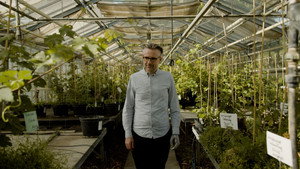
The rejection of genetically modified organisms has long been a core principle of organic agriculture, but this stance is increasingly debated. While supporters argue it preserves natural farming methods and consumer trust, critics question whether refusing modern breeding technologies could hinder sustainability and future food security. The discussion focuses on whether organic farming should adapt to scientific advances or maintain strict limits on genetic engineering.

Episode 3
Nuclear Fusion: The Energy of the Future?
As global energy demand continues to rise, nuclear fusion is often presented as a near-limitless source of clean power, producing minimal carbon emissions and far less radioactive waste than current nuclear technologies. However, despite its promise, major technical challenges remain, and many uncertainties persist about when or even if it will become viable on a large scale. The debate centers on whether fusion can truly deliver on its expectations or remain a long-term aspiration.

Episode 4
Do We Want to Live Forever?
Some researchers argue that aging could be treated as a curable condition, potentially reducing or even eliminating many major diseases such as cancer, stroke, heart disease, dementia, and diabetes. In this view, radical life extension - even biological immortality - could become possible. Yet this idea raises profound questions about individual desire, societal impact, and planetary limits, fueling a debate over whether the pursuit of extreme longevity is a scientific breakthrough or a dangerous illusion.

Episode 5
Mobility: Individual or Collective?
From early human migration to modern car sharing, mobility has always shaped how societies function and evolve. Today, however, the future of transport is under debate: should it remain centered on individual vehicles like private cars, or shift toward more collective systems? Beyond simple movement from A to B, mobility is increasingly seen as a key social, environmental, and economic issue.

Episode 6
Overpopulation: Our Biggest Problem?
The global population has tripled over the past two centuries, raising the question of whether there is a limit to how many people the planet can sustain. Long debated among scientists and ethicists, the issue has gained renewed urgency due to rising CO2 emissions and environmental pressure. The discussion centers on whether population growth itself is the core challenge or whether consumption patterns and resource distribution are the real drivers of global crises.