Mattresses
How a factory in Leeds produces 600 bouncy beds every day - from making steel into springs, to their placement in individual pockets and covering in natural fibres like hemp and wool designed to wick away sweat. How a short, twenty-minute sleep improves reaction times. How wool is shorn from sheep, and its inherent anti-bacterial and fire-retardant properties that make it well suited to mattresses. How the modern spring mattress evolved. How a famous Scandinavian-inspired home store is responsible for popularizing the duvet.
More from Series 5
Episode 1
Cherry Bakewells
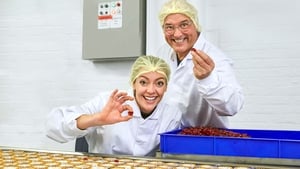
How a factory in Stoke-on-Trent produces 250,000 little cherry bakewell tarts every day - from what makes a shortcrust pastry 'short' to the team of 12 precisely placing the cherry on top of every one by hand. How to swerve a soggy pastry bottom when baking pies and tarts at home. How almonds are roasted and milled into almond butter ready for toast. The origin story of frangipane, the fragrant almond filling used in cherry bakewell. How the modern cherry bakewell actually descends from a mistake.

Episode 2
Wax Jackets
How a factory in South Shields produces 650 water-resistant waxed jackets a day - from 500-metre-long rolls of undyed cotton, to dipping the finished fabric into baths of heated wax, to assembling each jacket from 23 pieces. How a breathable membrane is key to allowing sweat to get out while keeping water from getting in. How a simple wooden stick is transformed into a top-notch umbrella using saws, pliers, and needle and thread - techniques barely changed in 150 years. The history of seamen adapting oil-covered sail cloth into garments.

Episode 3
Croissants
How a factory in France produces 336,000 croissants every day - from the 21 tonnes of butter, to the 83-year-old strain of yeast that packs a flavourful punch, to the layering of very thin slices of butter between sheets of dough to create the famously flaky texture. How croissants are best served - and eaten. How 'concentrated' butter produced in north Wales enhances the shelf life of croissants. The history of the croissant, thought to originate from 17th-century Austria, and emerging in its modern French form as late as 1906. How bread played a vital role in the French Revolution.

Episode 5
Pasties
How a bakery in Cornwall produces 180,000 Cornish pasties a day. There are rules: A Cornish pasty must be made in Cornwall; the filling can only contain onion, potato, swede, beef and some seasoning; and each ingredient must be cooked from raw within the pastry parcel. The versatility of onions, and how they make us cry. How anaerobic digestion turns food factory waste into electricity. Challenging the pasty's origin story. How importation of pepper eventually transformed it from a precious commodity to a spice that everyone could afford.
Episode 6
Pots and Pans
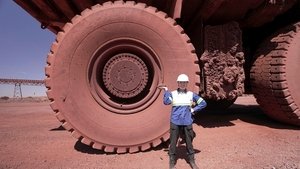
How a foundry in France produces a cast iron pot every five seconds - from the arrival of 20 tonnes of crude iron right through to brightly coloured orange casserole dishes. How a South African iron ore mine - one of the largest in the world - produces a staggering 670,000 tonnes every day. The science behind cooking the perfect casserole - more cooking time isn't always better. The history of one-pot cooking to prepare simple meals, from communal ovens to 1970s slow cookers. How casting iron in sand moulds democratised the kitchen through affordable cookware.
Episode 7
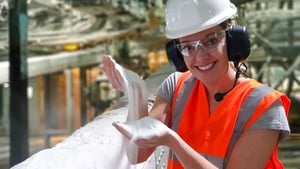
Soup
How a factory in Wigan produces two million tins of soup a day. Vegetable soup is followed from a pea harvest in Yorkshire right through to the finished soup going into cans and being dispatched. How the vitamin content of frozen vegetables can greatly exceed that of fresh. How a spinach soup based on a 17th-century recipe doesn't much resemble soup as we know it today. The history of the soup kitchen.