Zeppelin Terror Attack
NOVA investigates the technology behind the World War One Zeppelin bombing campaigns, both the airships themselves and the weapons used to try to bring them down.
More from Season 41

Episode 1
Ground Zero Supertower
NOVA kicks off the fall season with a return to Ground Zero to witness the final chapter in an epic story of engineering, innovation, and the perseverance of the human spirit. “Ground Zero Supertower” examines the new skyscraper, One World Trade Center, rising up 104 stories and 1,776 feet from the site where the Twin Towers once stood. NOVA also goes underground to see another engineering marvel taking shape here: the construction of the National September 11 Memorial Museum that will house almost a thousand artifacts from that devastating day. In this update of NOVA’s Emmy-nominated special “Engineering Ground Zero,” which featured extraordinary behind-the-scenes access to the struggles of the engineers and architects working at 1 WTC and the 9/11 Memorial, NOVA goes inside the construction of the tower’s final floors and the installation of its soaring, 408-foot spire and beacon.

Episode 2
Megastorm Aftermath
In October 2012, superstorm Sandy cut a path of devastation across the Caribbean and the East Coast, killing hundreds and doing tens of billions of dollars in damage. Now, one year after Sandy’s deadly strike, NOVA follows up on its 2012 film “Inside the Megastorm” with a fresh investigation of the critical questions raised by this historic storm: Was Hurricane Sandy a freak combination of weather systems? Or are hurricanes increasing in intensity due to a changing climate and rising seas? How can we gird cities against future storm surges? Join NOVA on a trip to the Netherlands, a country which has combined extraordinary engineering with natural landscape restoration to protect its low-lying cities from the sea. And meet climate scientists who are racing to understand how a warming world will affect extreme—but unpredictable—weather phenomena like hurricanes and tornadoes.

Episode 3
Making Stuff Faster
Ever since humans stood on two feet we have had the basic urge to go faster. But are there physical limits to how fast we can go? David Pogue wants to find out, and in "Making Stuff Faster," he’ll investigate everything from electric muscle cars and the America’s cup sailboat to bicycles that smash speed records. Along the way, he finds that speed is more than just getting us from point A to B, it's also about getting things done in less time. From boarding a 737 to pushing the speed light travels, Pogue's quest for ultimate speed limits takes him to unexpected places where he’ll come face-to-face with the final frontiers of speed.

Episode 4
Making Stuff Wilder
What happens when scientists open up nature's toolbox? In "Making Stuff Wilder," David Pogue explores bold new innovations inspired by the Earth's greatest inventor, life itself. From robotic "mules" and "cheetahs" for the military, to fabrics born out of fish slime, host David Pogue travels the globe to find the world’s wildest new inventions and technologies. It is a journey that sees today's microbes turned into tomorrow’s metallurgists, viruses building batteries, and ideas that change not just the stuff we make, but the way we make our stuff. As we develop our own new technologies, what can we learn from billions of years of nature’s research?
Episode 5
Making Stuff Colder
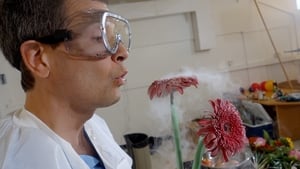
Cold is the new hot in this brave new world. For centuries we've fought it, shunned it, and huddled against it. Cold has always been the enemy of life, but now it may hold the key to a new generation of science and technology that will improve our lives. In "Making Stuff Colder," David Pogue explores the frontiers of cold science from saving the lives of severe trauma patients to ultracold physics, where bizarre new properties of matter are the norm and the basis of new technologies like levitating trains and quantum computers.
Episode 6
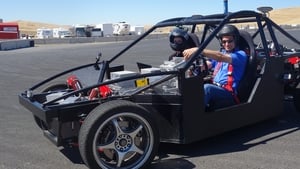
Making Stuff Safer
The world has always been a dangerous place, so how do we increase our odds of survival? In "Making Stuff Safer," David Pogue explores the cutting-edge research of scientists and engineers who want to keep us out of harm’s way. Some are countering the threat of natural disasters with new firefighting materials and safer buildings. Others are at work on technologies to thwart terrorist attacks. A next-generation vaccine will save millions from deadly disease. And innovations like smarter cars and better sports gear will reduce the risk of everyday activities. We’ll never eliminate danger—but science and technology are making stuff safer.